Moisture Mapping
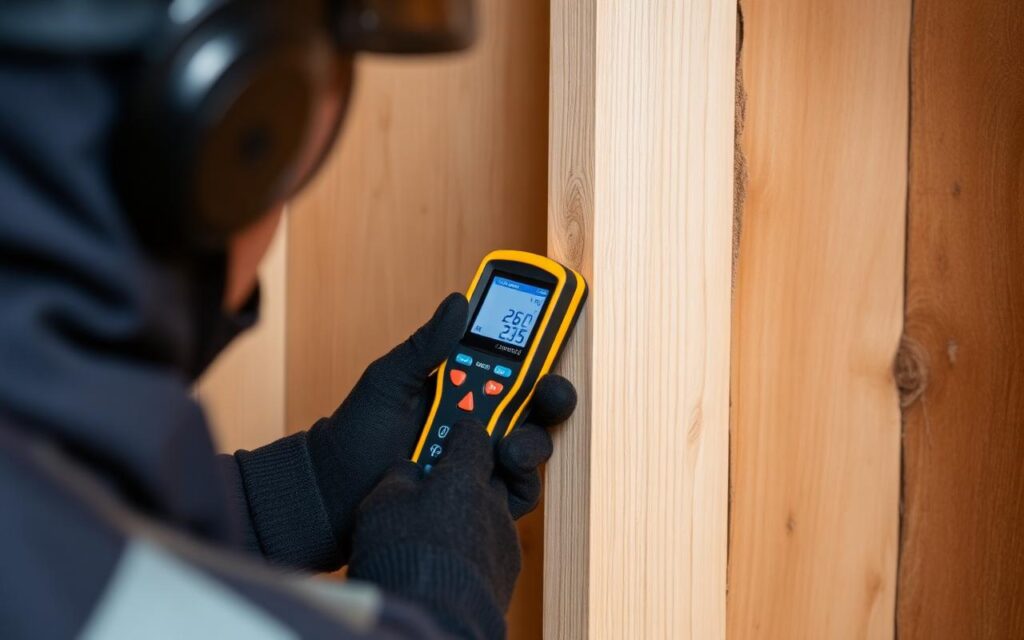
Subterranean termites lose moisture rapidly through their soft cuticle and die quickly in dry environments. To survive away from the soil, they need a moisture source — leaking pipes, blocked gutters, poor subfloor ventilation, shower recesses, weep holes blocked by garden beds, or condensation on cold-water lines. Find the moisture and you find where termites will attack first.
How Thermal Imaging Detects Hidden Termite Activity in Sutherland Shire Walls
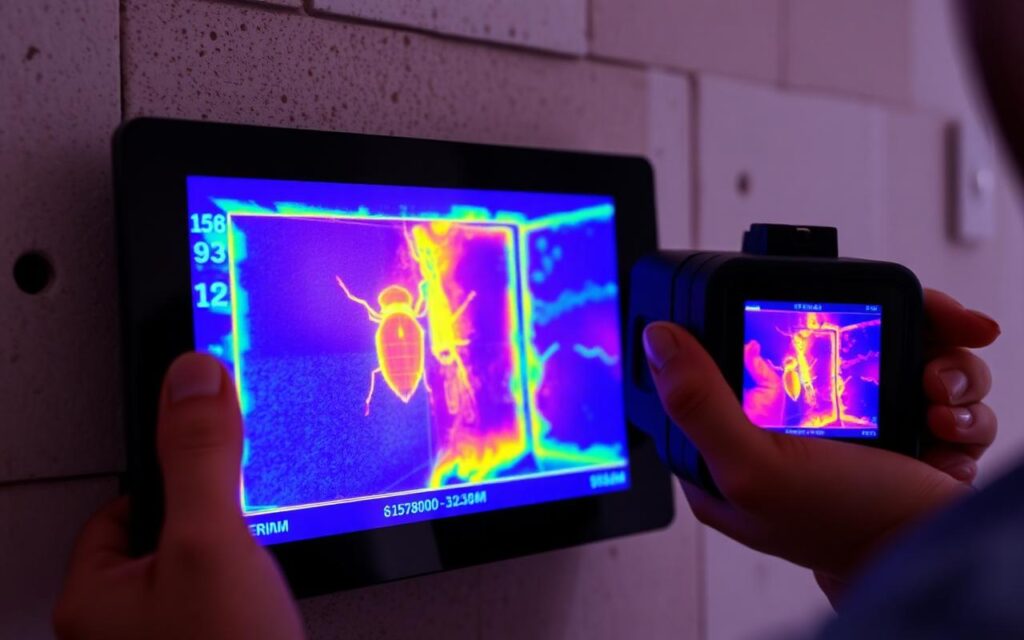
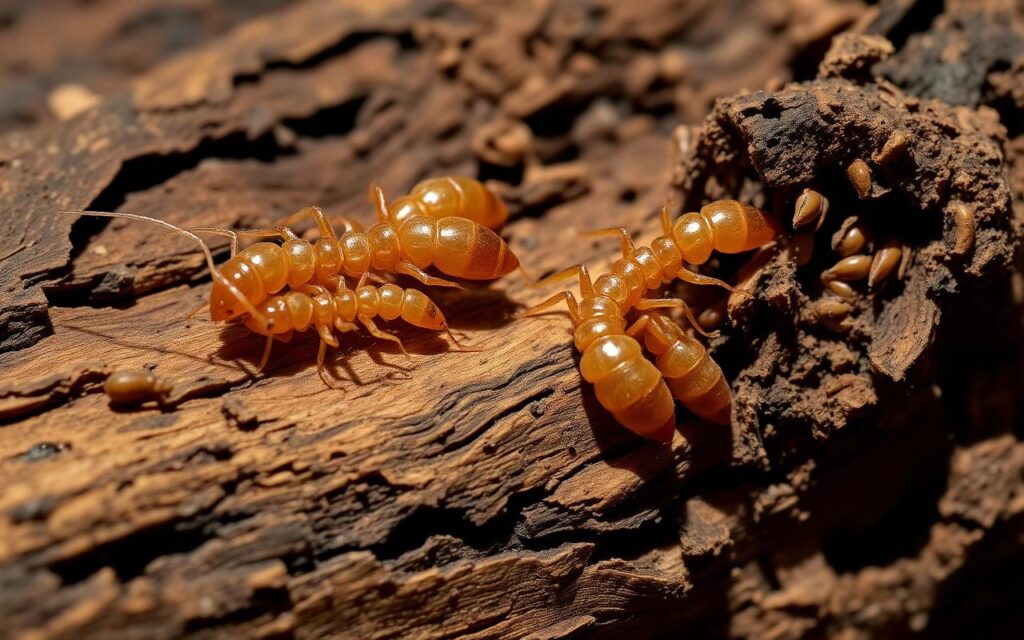
Subterranean termites generate heat and moisture as they feed. Active workings inside a wall cavity create a measurable temperature difference compared to surrounding dry timber — usually 1–3°C. A trained inspector using a FLIR thermal camera can detect that differential through plasterboard, render, paint, vinyl flooring and even some tile finishes without cutting, drilling or removing anything.
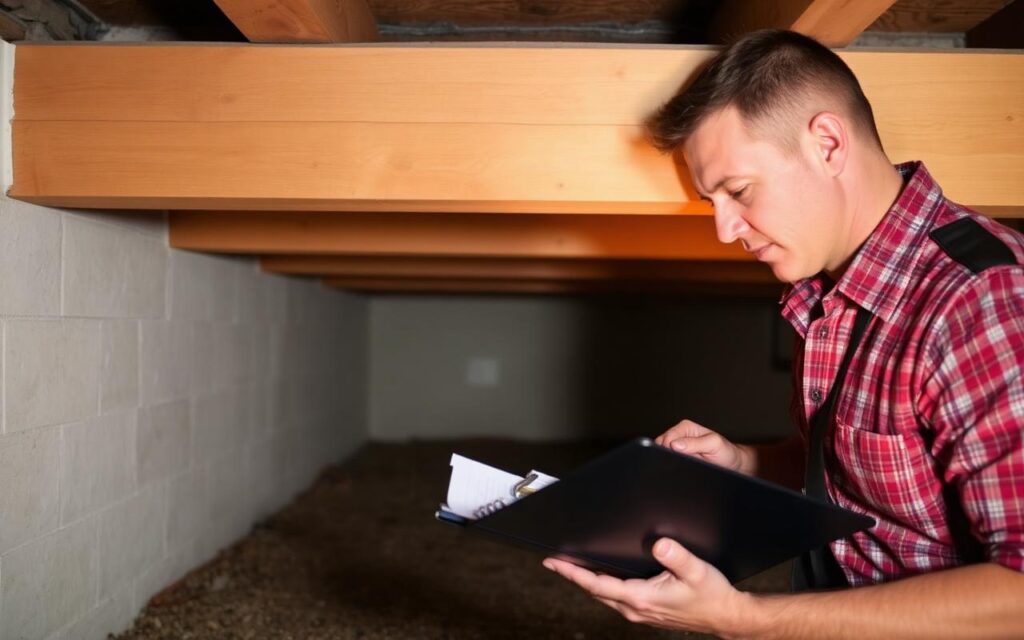
What’s Actually Checked During a Termite Inspection
A termite reticulation system is a network of perforated delivery pipes installed in the soil around the perimeter of a building — and under the slab — during construction. Once landscaping is complete, the system is connected to a service riser (usually hidden in the meter box area). When the chemical barrier needs to be replenished, termiticide is pumped through the pipes and distributed evenly through the soil. No trenching, no drilling, no garden disruption.
Types of Termites Found in the Sutherland Shire
A termite reticulation system is a network of perforated delivery pipes installed in the soil around the perimeter of a building — and under the slab — during construction. Once landscaping is complete, the system is connected to a service riser (usually hidden in the meter box area). When the chemical barrier needs to be replenished, termiticide is pumped through the pipes and distributed evenly through the soil. No trenching, no drilling, no garden disruption.
Chemical Barrier vs Baiting
A termite reticulation system is a network of perforated delivery pipes installed in the soil around the perimeter of a building — and under the slab — during construction. Once landscaping is complete, the system is connected to a service riser (usually hidden in the meter box area). When the chemical barrier needs to be replenished, termiticide is pumped through the pipes and distributed evenly through the soil. No trenching, no drilling, no garden disruption.
Termite Reticulation Systems
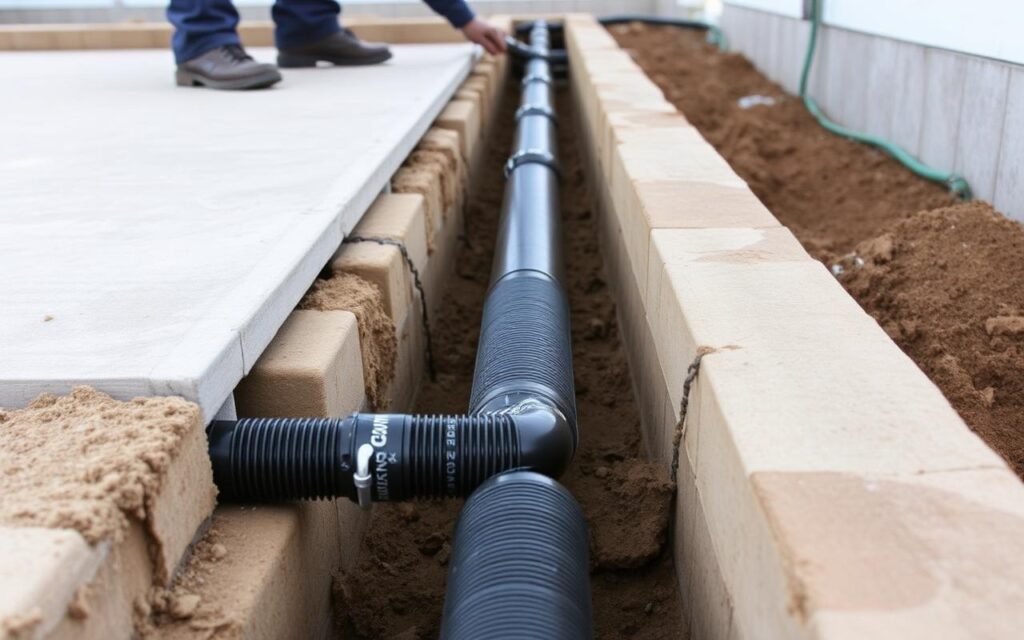
A termite reticulation system is a network of perforated delivery pipes installed in the soil around the perimeter of a building — and under the slab — during construction. Once landscaping is complete, the system is connected to a service riser (usually hidden in the meter box area). When the chemical barrier needs to be replenished, termiticide is pumped through the pipes and distributed evenly through the soil. No trenching, no drilling, no garden disruption.
Sentricon AlwaysActive
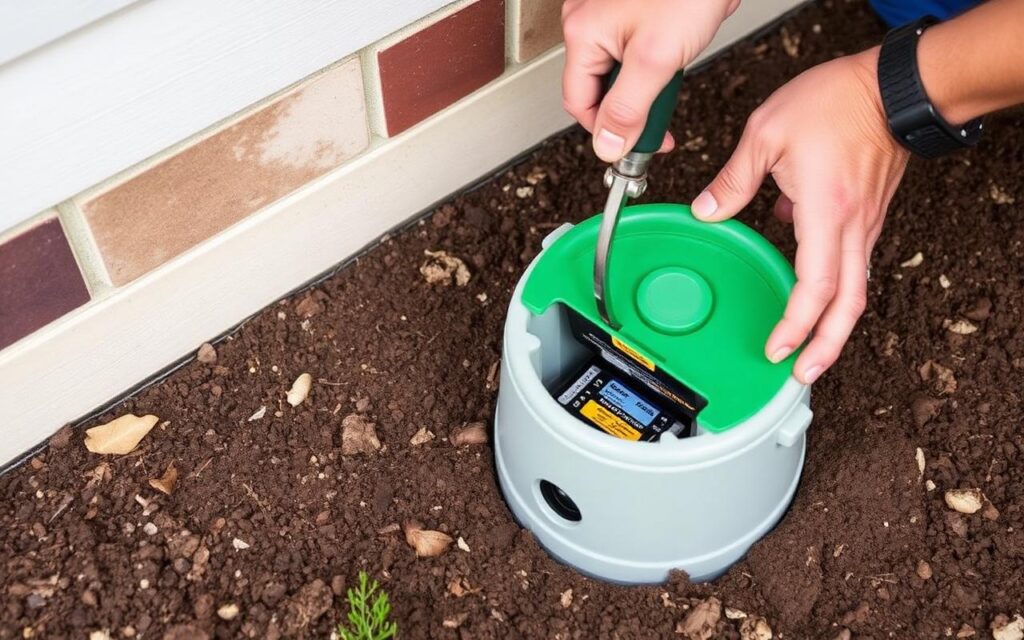
Sentricon AlwaysActive is an in-ground termite baiting system that uses tamper-resistant bait stations installed around the property perimeter at roughly 3-metre intervals. Each station is pre-loaded with Recruit HD bait — a cellulose matrix infused with noviflumuron, a chitin synthesis inhibitor. Unlike older monitoring-then-baiting systems, every station is “always active” from day one.
Termite Baiting vs Chemical Barriers
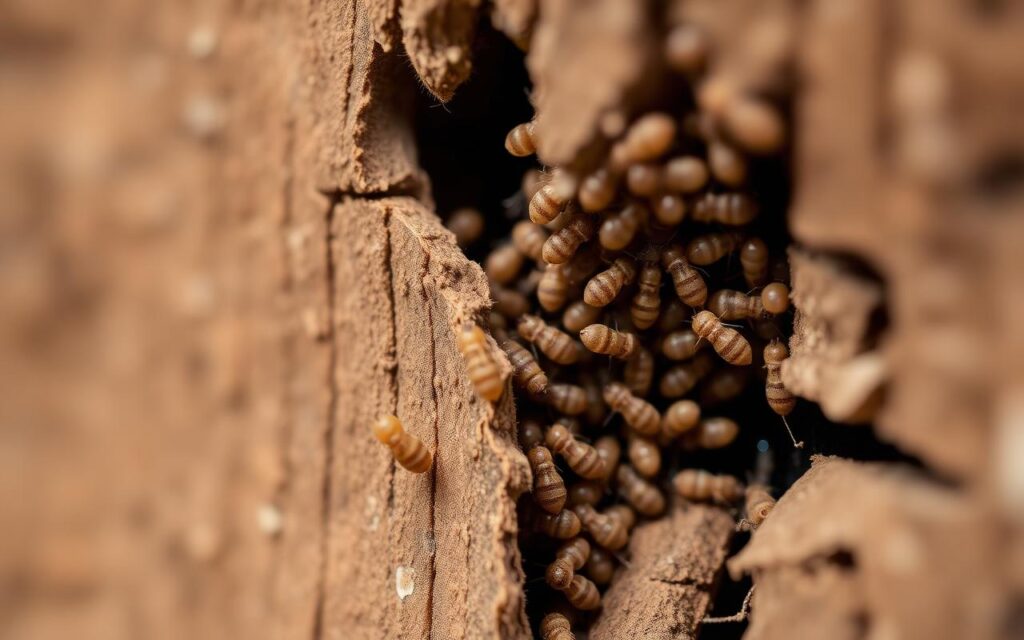
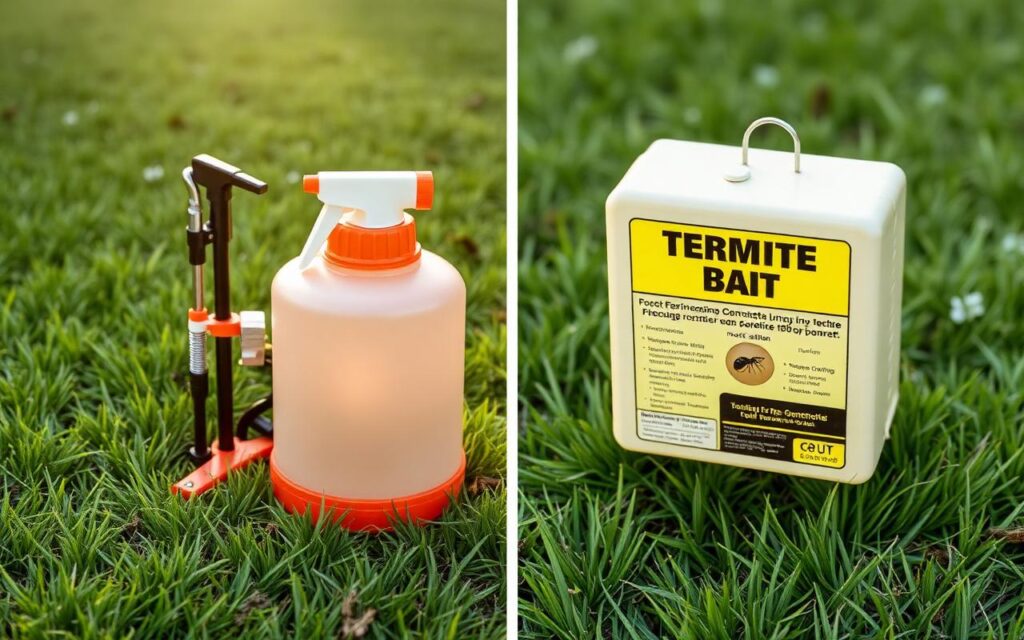
There is no single ‘best’ termite treatment. The right choice depends on construction type, soil, landscaping, budget and whether termites are already active. We typically recommend one of three systems, sometimes in combination.
Sentricon Always Active uses in-ground stations spaced 3m apart around the property perimeter, each loaded with Recruit HD bait. Foragers find the bait, feed, and carry the active ingredient back to the queen — eliminating the entire colony, not just the workers you see.
7 Early Termite Signs Most Sutherland Shire Homeowners Miss
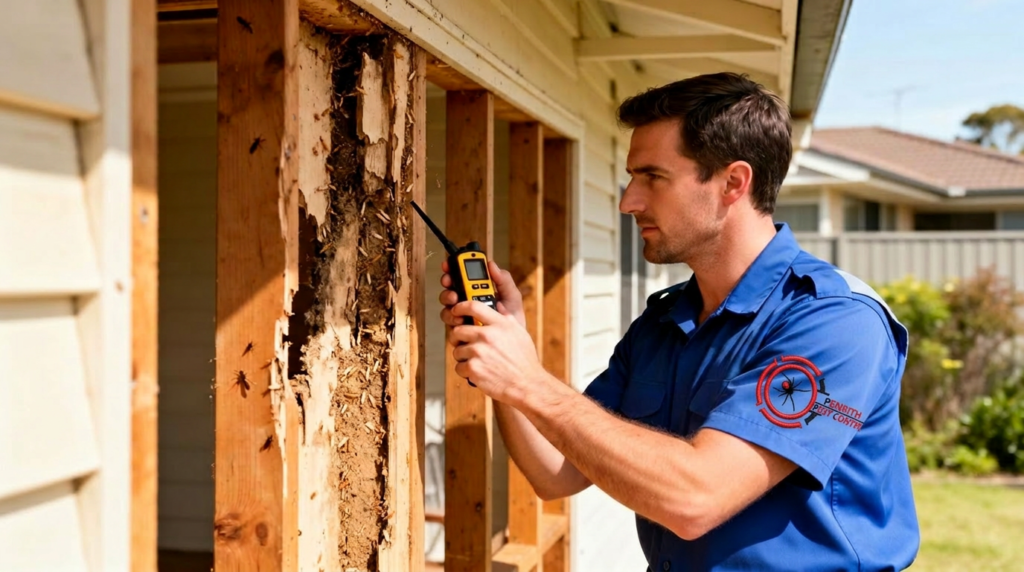
Subterranean termites work silently from inside the timber outwards. A skirting board can look perfect on the surface while the back is honeycombed with galleries. The earlier you spot the warning signs, the cheaper and less invasive treatment will be.
Sign 1 — Mud leads or shelter tubes: pencil-thick mud trails on brick piers, retaining walls or slab edges. Common on bush-fringed Shire blocks. Never break them open — disturbed termites simply retreat and re-route.
Rats & Mice in the Sutherland Shire
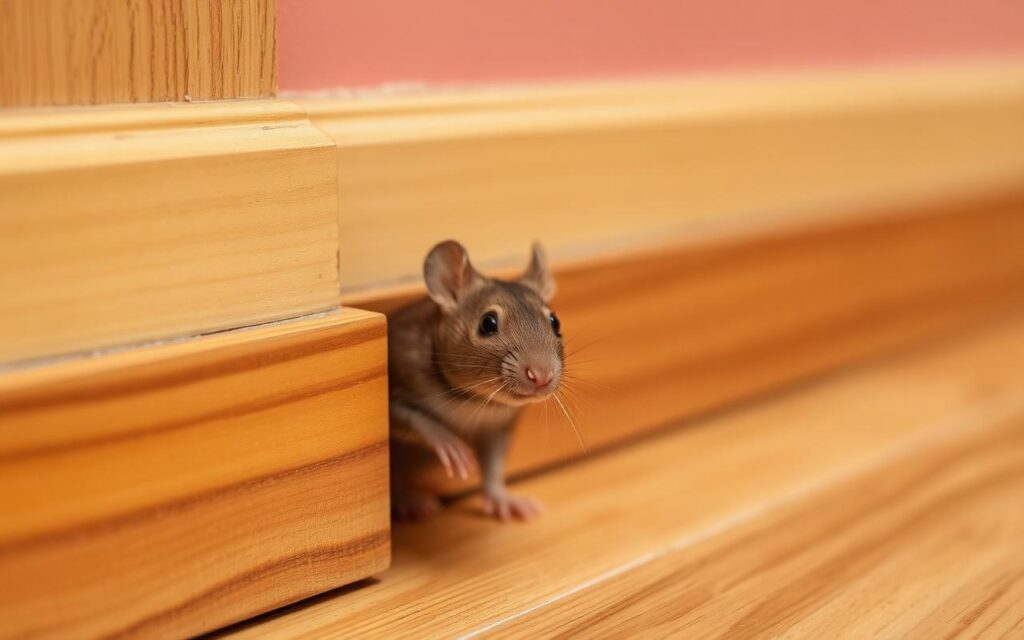
Rats and mice are responsible for chewed wiring, contaminated food, attic damage and serious health risks including leptospirosis and salmonella. From late March onwards, rodents move from bushland and creek lines into Sutherland Shire roof voids and subfloors looking for warmth.