
Moisture Mapping
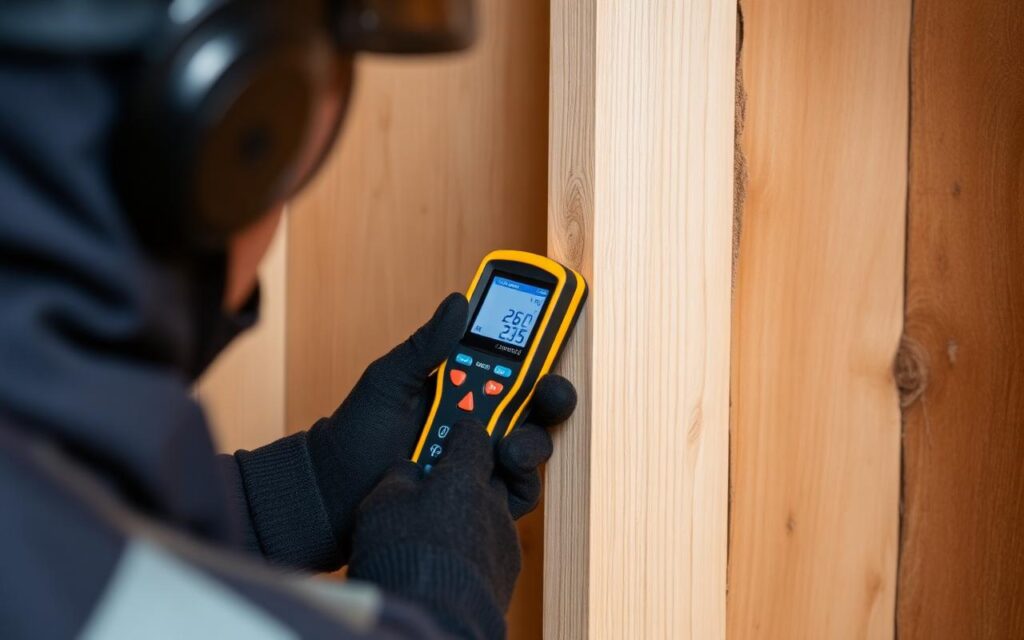
Subterranean termites lose moisture rapidly through their soft cuticle and die quickly in dry environments. To survive away from the soil, they need a moisture source — leaking pipes, blocked gutters, poor subfloor ventilation, shower recesses, weep holes blocked by garden beds, or condensation on cold-water lines. Find the moisture and you find where termites will attack first.
How Thermal Imaging Detects Hidden Termite Activity in Sutherland Shire Walls
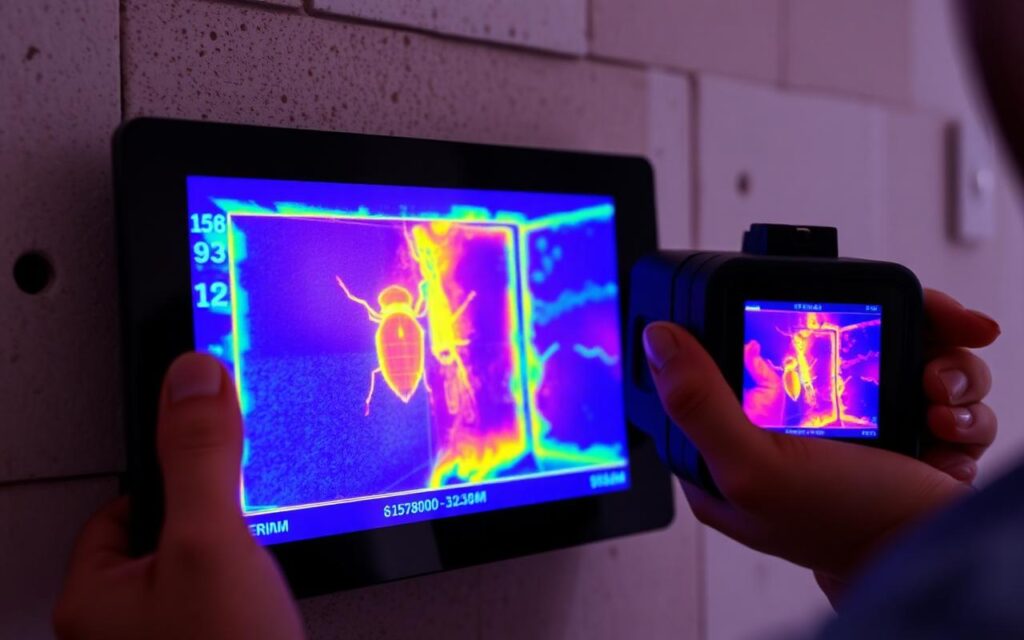
Subterranean termites generate heat and moisture as they feed. Active workings inside a wall cavity create a measurable temperature difference compared to surrounding dry timber — usually 1–3°C. A trained inspector using a FLIR thermal camera can detect that differential through plasterboard, render, paint, vinyl flooring and even some tile finishes without cutting, drilling or removing anything.
What’s Actually Checked During a Termite Inspection
A termite reticulation system is a network of perforated delivery pipes installed in the soil around the perimeter of a building — and under the slab — during construction. Once landscaping is complete, the system is connected to a service riser (usually hidden in the meter box area). When the chemical barrier needs to be replenished, termiticide is pumped through the pipes and distributed evenly through the soil. No trenching, no drilling, no garden disruption.
Types of Termites Found in the Sutherland Shire
A termite reticulation system is a network of perforated delivery pipes installed in the soil around the perimeter of a building — and under the slab — during construction. Once landscaping is complete, the system is connected to a service riser (usually hidden in the meter box area). When the chemical barrier needs to be replenished, termiticide is pumped through the pipes and distributed evenly through the soil. No trenching, no drilling, no garden disruption.
Chemical Barrier vs Baiting
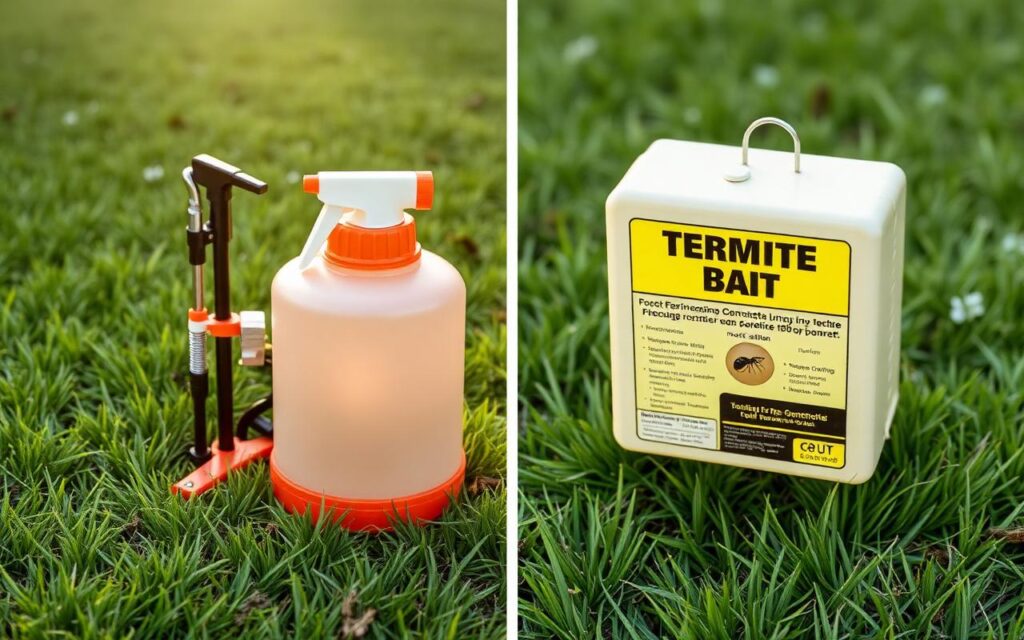
A termite reticulation system is a network of perforated delivery pipes installed in the soil around the perimeter of a building — and under the slab — during construction. Once landscaping is complete, the system is connected to a service riser (usually hidden in the meter box area). When the chemical barrier needs to be replenished, termiticide is pumped through the pipes and distributed evenly through the soil. No trenching, no drilling, no garden disruption.