Termite Swarming Season in the Sutherland Shire
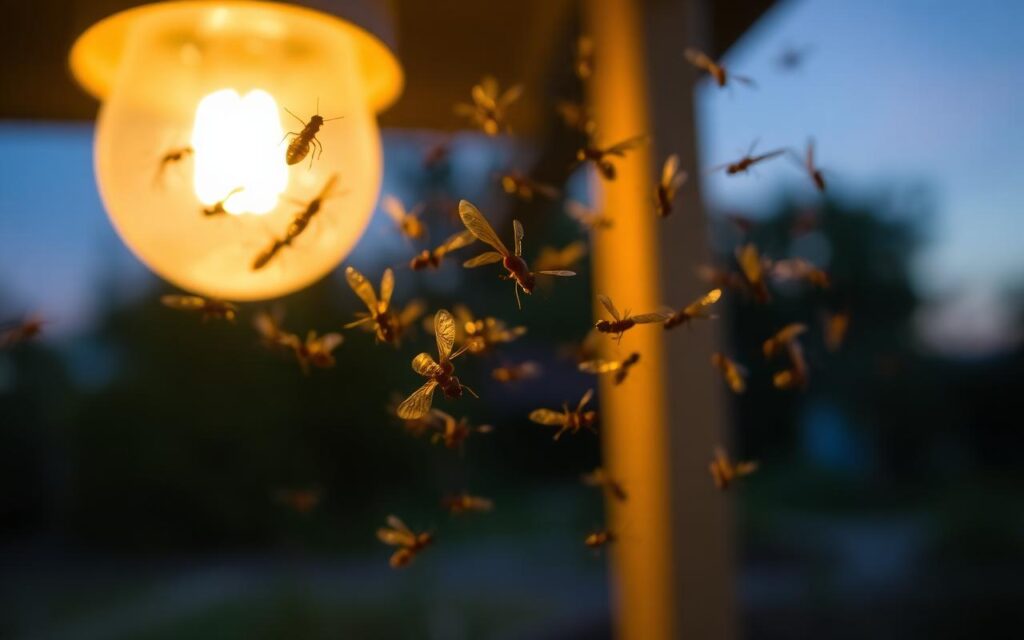
Every spring, mature termite colonies across the Sutherland Shire release winged reproductive termites (alates) on warm, humid evenings — typically after rain. The alates swarm in their thousands, mate in flight, shed their wings and the females begin establishing new colonies. Swarming season in Sydney runs roughly September through December, peaking in October–November.
Renovating or Extending? Don’t Compromise Your Termite Barrier
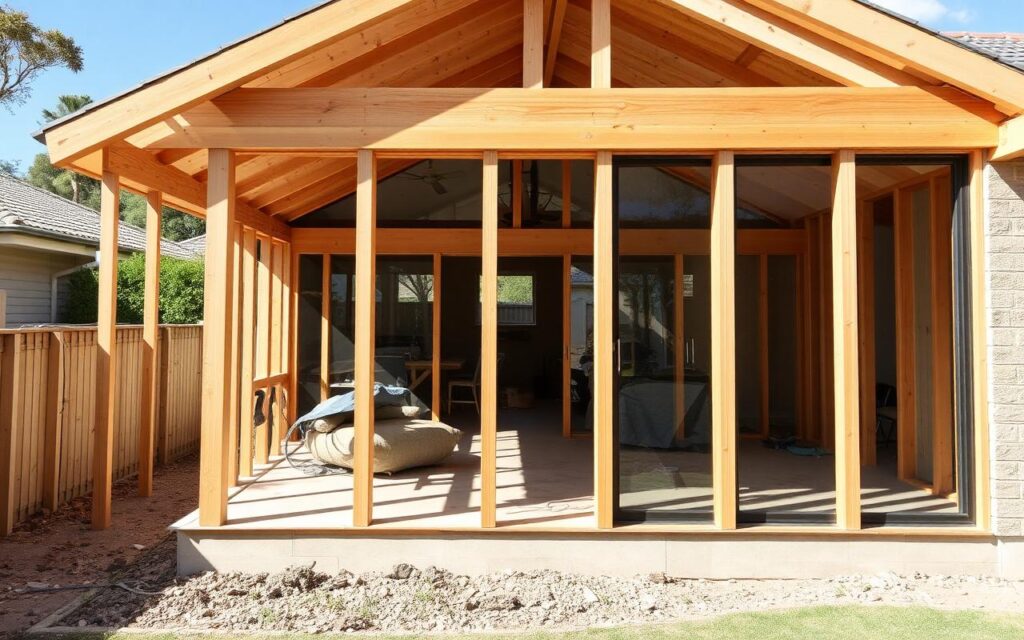
If your Sutherland Shire home has an existing termite barrier and you are planning a renovation, extension, granny flat, deck, pergola, paving or any work that disturbs the soil within 1m of the slab edge — you almost certainly need to reinstate part of the barrier. Renovations are the single most common cause of barrier breach we see in the field.
Above-Ground Termite Bait Stations
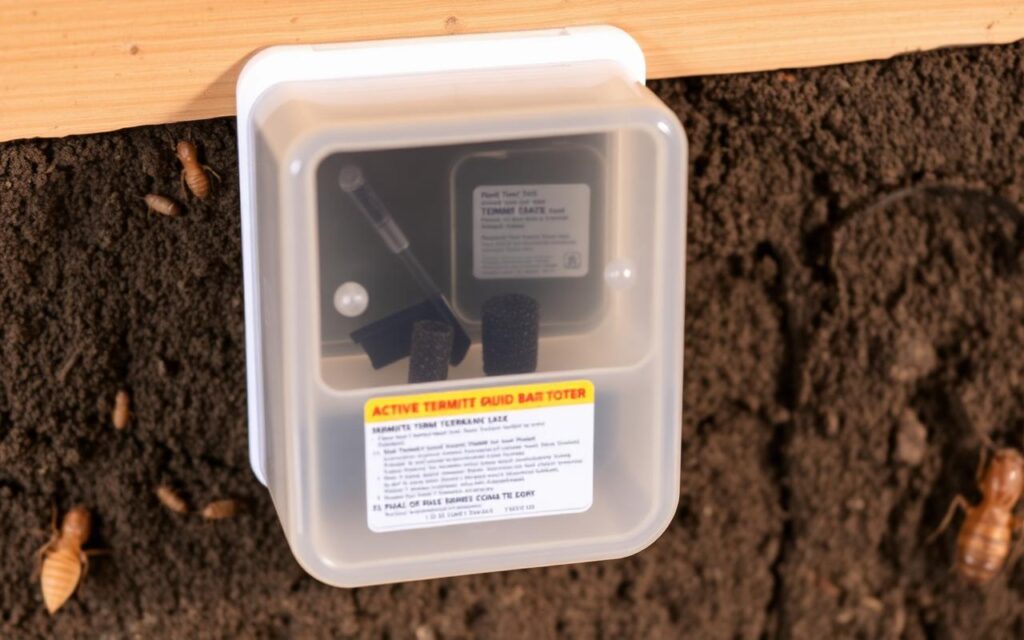
When live termite workings are found inside a wall cavity, architrave, skirting or roof timber, the fastest way to eliminate the colony is to take the bait directly to the termites — not wait for them to find an in-ground station. Above-ground bait stations (AGS) are clear plastic boxes containing cellulose bait, mounted directly over the live workings.
How Often Should You Get a Termite Inspection? Annual is the Australian Standard
Australian Standard AS 3660.2 recommends a competent timber pest inspection at least once every 12 months for every property in Australia. For properties in high-risk areas — bushland-fringed suburbs, homes with previous termite history, properties with conducive conditions — the recommended interval drops to 6 months. The Sutherland Shire contains a lot of high-risk addresses.
Subterranean vs Drywood Termites
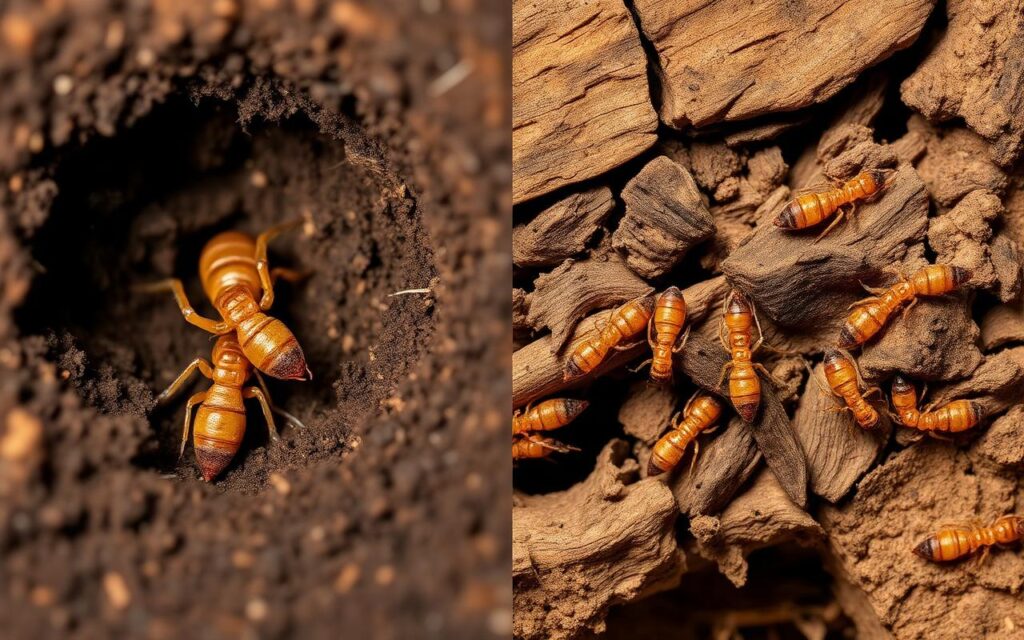
Termites in Australia fall into two main groups: subterranean termites (which nest in soil and need moisture contact) and drywood termites (which live entirely inside the timber they are eating, no soil contact required). The treatment approach for each is completely different — getting the identification right is essential.
10 Termite Prevention Tips Every Sutherland Shire Homeowner Should Know

Even with a Termidor HE chemical barrier or Sentricon baiting installed, the way you maintain the property has a major impact on termite risk. Conducive conditions — anything that creates moisture, food or concealed access for termites — can compromise even the best treatment system. These ten habits dramatically reduce termite pressure on your Shire home.
AS 3660 Explained
AS 3660 is the Australian Standard governing termite management. It has three parts: AS 3660.1 covers termite management for new building work, AS 3660.2 covers termite management for existing buildings, and AS 3660.3 covers the assessment of termite management systems. Every chemical barrier, baiting system and reticulation install we carry out is fully compliant with the relevant parts.
The True Cost of Termite Damage in the Sutherland Shire
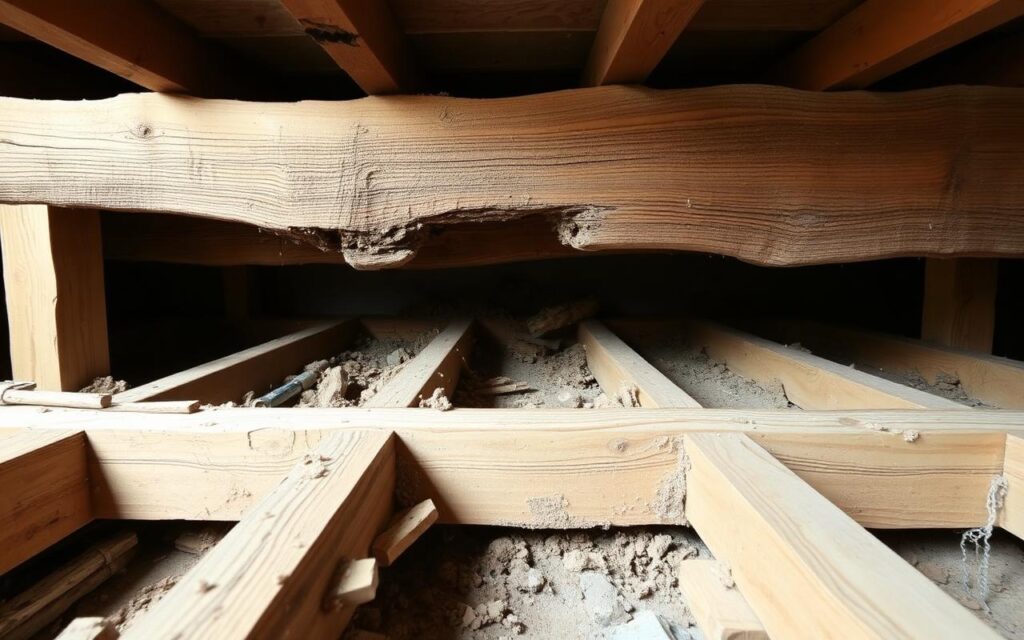
The Council of Australian Governments estimates Australian homeowners spend over $1.5 billion every year on termite damage repair and prevention. Most home insurance policies specifically exclude termite damage, classifying it as a preventable maintenance issue. That means the repair bill lands entirely on the owner.
Termite Warranties Explained
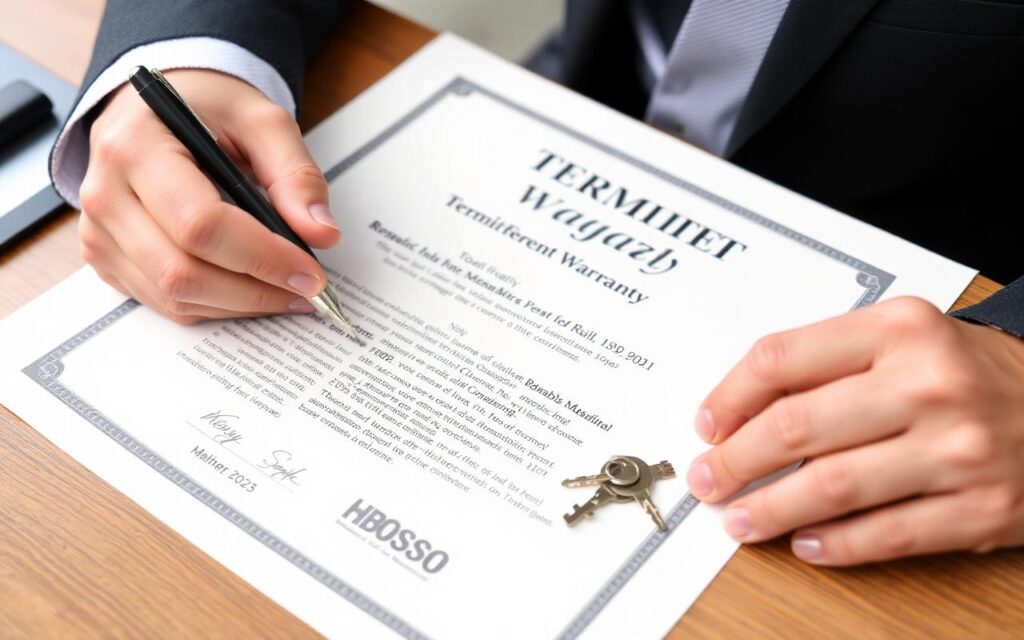
When we install a Termidor HE chemical barrier we provide up to a 5-year written warranty — but customers often ask exactly what that means. There are two layers to every termite warranty: the manufacturer’s product warranty (covering the chemical itself) and the applicator’s workmanship warranty (covering the installation). Both run concurrently and both have conditions.
Termite Mud Tubes Explained
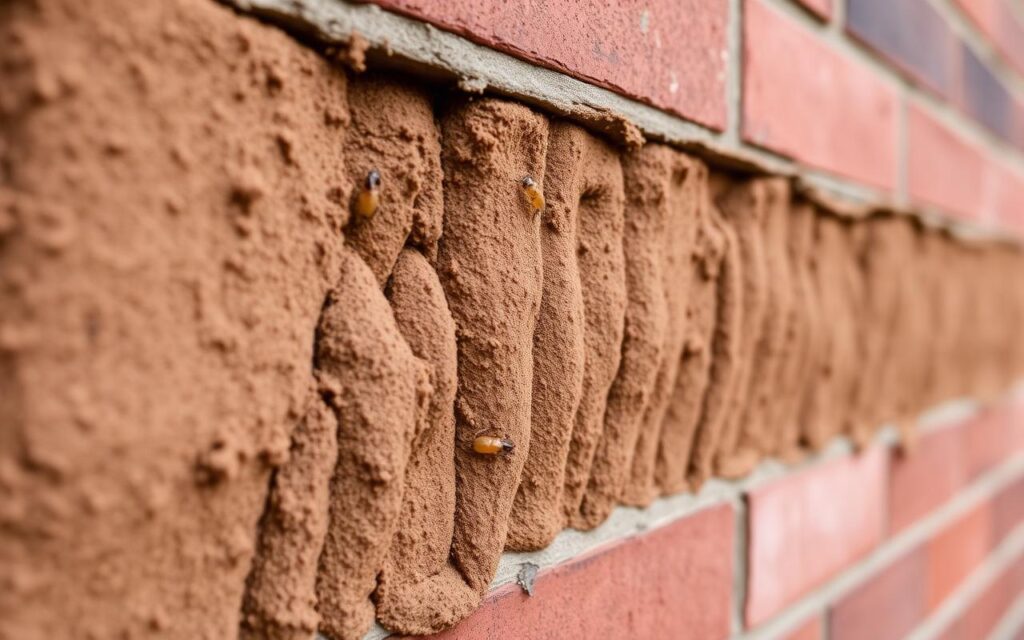
Subterranean termites build mud tubes (also called shelter tubes or galleries) to travel between their soil nest and their food source without exposure to dry air or predators. The tubes are pencil-thick, made of soil cemented with termite saliva and faeces, and are usually found on piers, brick walls, slab edges, retaining walls, fences and inside subfloor areas.