Homes protected
Service available
Compliant reporting
Local coverage
Serving the Shire
Call our local team or book online and we’ll confirm the right treatment, time window and next step for your property.
Mon–Fri 7am – 6pm · Sat 7am – 4pm
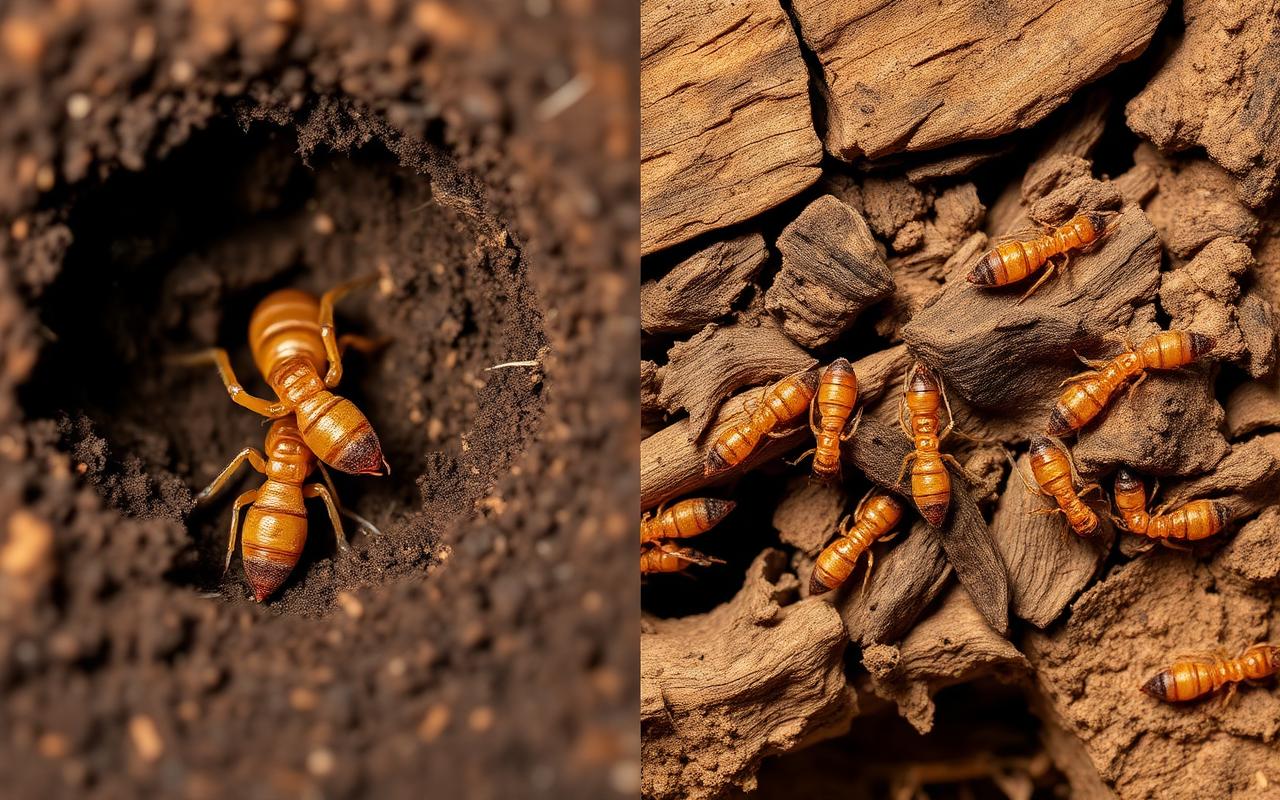
Termites in Australia fall into two main groups: subterranean termites (which nest in soil and need moisture contact) and drywood termites (which live entirely inside the timber they are eating, no soil contact required). The treatment approach for each is completely different — getting the identification right is essential.
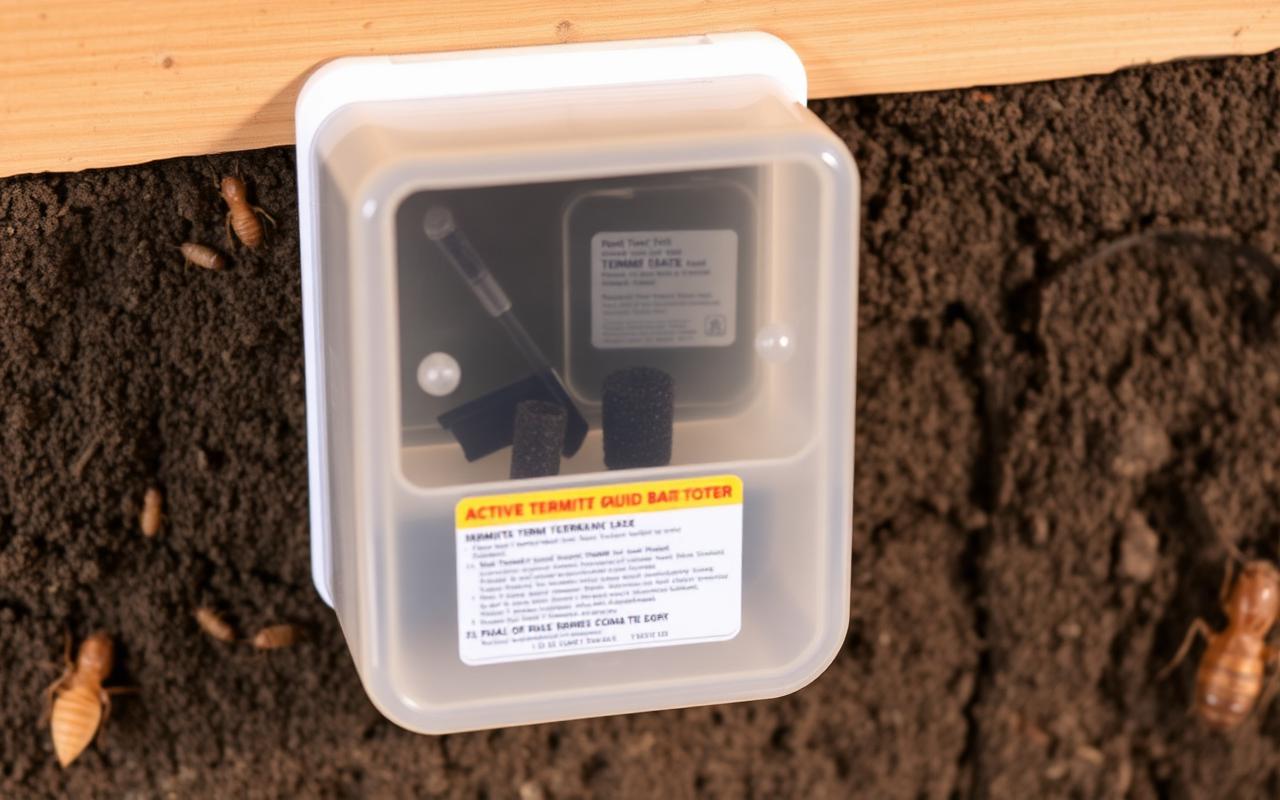
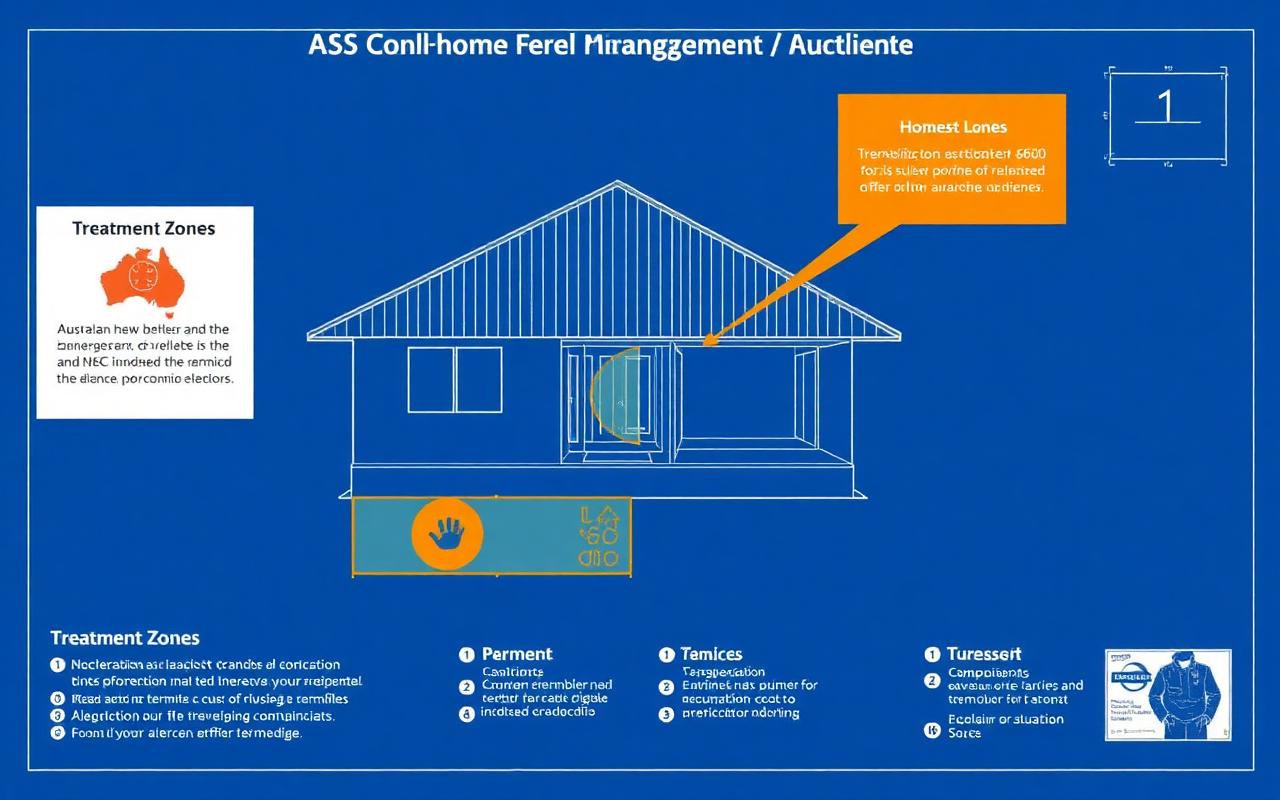
Subterranean termites cause the overwhelming majority of structural damage in the Sutherland Shire. Coptotermes acinaciformis, Schedorhinotermes intermedius and Nasutitermes are all subterranean. They nest in soil (often in trees, stumps or wall cavities) and travel through mud tubes to reach their food source. Treatment is by soil barrier, in-ground baiting, direct nest treatment or a combination — all delivered through the soil.
If you’re comparing treatment options or trying to work out what pest you’re dealing with, also read Bees in the Sutherland Shire: Stings, Allergic Reactions & When to Call a Professional, Cockroach Control in the Sutherland Shire: How to Get Rid of Cockroaches for Good and Spider Control in the Sutherland Shire: Protecting Your Family from Dangerous Spiders.
What’s included
Most pest issues grow more complex and more expensive the longer they are left alone. A prompt inspection or treatment usually saves money, inconvenience and avoidable damage.
We show up on time, explain the treatment clearly, and back our work with written advice and follow-up recommendations. If you need the next step after an inspection or treatment, you'll know exactly what to do.
★★★★★ 5.0 Read our Google reviews→
A licensed-technician process built around your property, your schedule, and the specific
pest pressure we see across the Shire.
01
We assess the problem and where it is starting from.
02
We explain the right solution, whether that is treatment, monitoring or an inspection report.
03
You get practical next steps to keep the issue under control.
Our approach
No two homes, tenancies or commercial sites are the same. Every job gets a tailored plan based on access points, pest pressure, risk level and the outcome you actually need.
Drywood termites (Cryptotermes brevis is the species of concern) live their entire life cycle inside a single piece of timber. There are no mud tubes, no soil contact and no nest outside the timber itself. The first sign is usually small piles of granular faecal pellets (frass) under skirting, doors or roof beams. Drywood damage is slower and more localised, but treatment is harder — you cannot reach the colony through the soil.
Drywood treatment options include direct injection of termiticide into infested timber, localised heat treatment, controlled atmosphere treatment (nitrogen or CO2), and in severe cases whole-of-structure fumigation. Most Shire homes with drywood activity can be managed with targeted injection — fumigation is rarely needed and only used by specialist licensed operators.
A licensed technician checks the infestation pattern, risk points, conducive conditions and any safety requirements for kids, pets or staff.
We explain the target pest, affected areas, products or monitoring involved, expected results and next steps before work begins.
You get practical preparation advice, a clear treatment summary and a follow-up recommendation to reduce reinfestation risk.
A licensed-technician process built around your property, your schedule, and the specific
pest pressure we see across the Shire.
Experienced local technicians, compliant treatment methods and written recommendations you can keep on file.
We explain preparation, re-entry timing and lower-impact options clearly before we start any work.
Same-day and next-day booking windows are available across Cronulla, Miranda, Caringbah, Engadine and surrounding suburbs.
We deal with the same termite, cockroach, spider, rodent and coastal pest pressures every week across the Sutherland Shire.
Drywood termites are not common in the Sutherland Shire but they do appear in older homes with imported timber furniture, restored heritage buildings, and properties with exposed roof beams. Every AS 4349.3 inspection we carry out checks for both subterranean and drywood evidence. Call (02) 9543 0093 if you have found small granular pellets you cannot explain.
Service areas
FAQs